
PRP Advanced Module
Structured Regenerative Medicine — Not Trend-Led Marketing
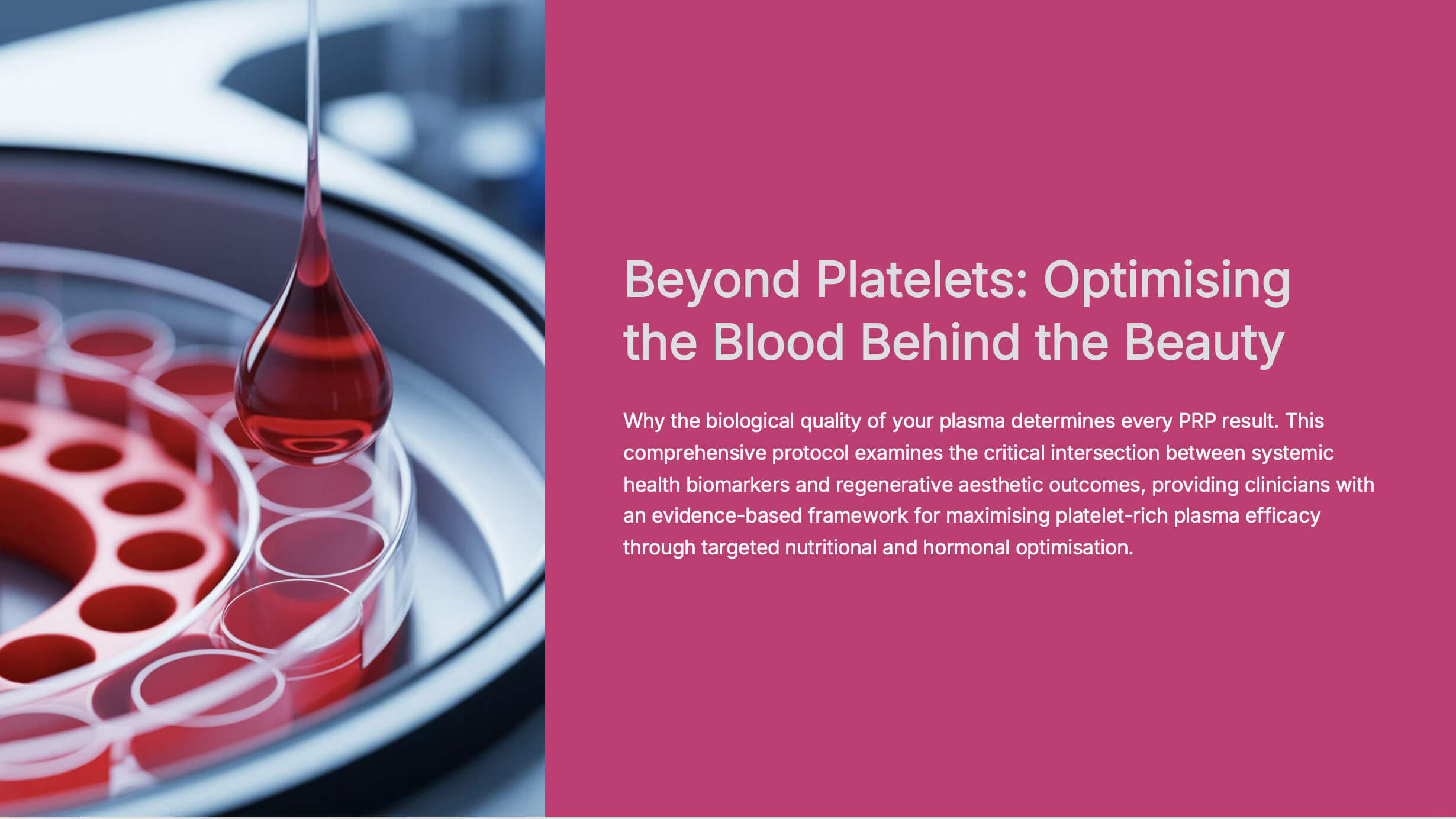
Understanding the Biology Before the Procedure
The programme begins with biological foundations.
You are guided through:
The wound healing cascade — haemostasis, inflammation, tissue regeneration, remodelling
PRP’s mechanism of action and growth factor role (PDGF, VEGF, FGF, EGF, TGF-β) FULL PRP + PH
Stem cell recruitment and differentiation processes
The difference between PRP and PRF, including fibrin matrix behaviour and release profiles
This is not positioned as volume replacement.
Your own slides clearly differentiate mechanical correction (fillers) from biological stimulation (PRP).
That distinction alone prevents mis-selling and unrealistic expectations.
Structured Protocols and Governance
Risk reduction is central.
The module addresses:
- Contraindications including coagulation disorders, anticoagulation therapy, autoimmune disease, pregnancy, low platelet counts H
- Appropriate patient selection in androgenetic alopecia vs other alopecia types
- Treatment spacing protocols (3 sessions at 28-day intervals, maintenance yearly)
PRP is autologous. That reduces hypersensitivity and transmission risk. But autologous does not mean risk-free. You are taught correct preparation, centrifuge standards, sterile closed systems, and appropriate kit usage.
This prevents procedural error.
Protocol-Driven Growth and Predictable Scheduling
From a financial perspective, PRP introduces a different growth model compared to fillers and toxin.
It is protocol-driven.
3 sessions spaced 28 days apart → maintenance annually
Structured cycles with top-ups and measurable hair growth assessment every 2–3 months.
This creates predictable scheduling and recurring patient engagement.
PRP also expands your service offering beyond purely aesthetic volume work:
Acne scars
Post-laser recovery
Skin rejuvenation
Hair restoration
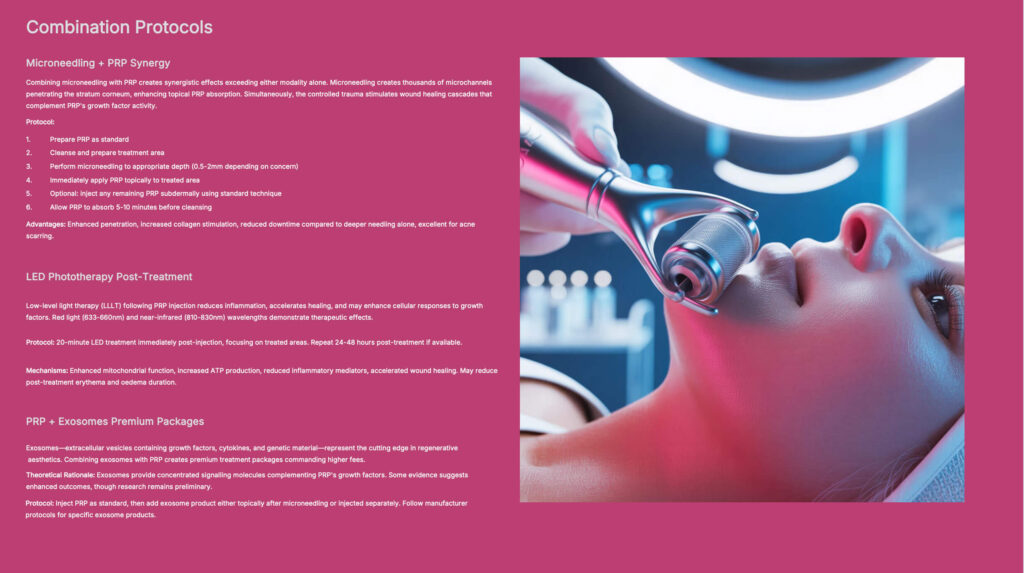
Combination with microneedling or HA
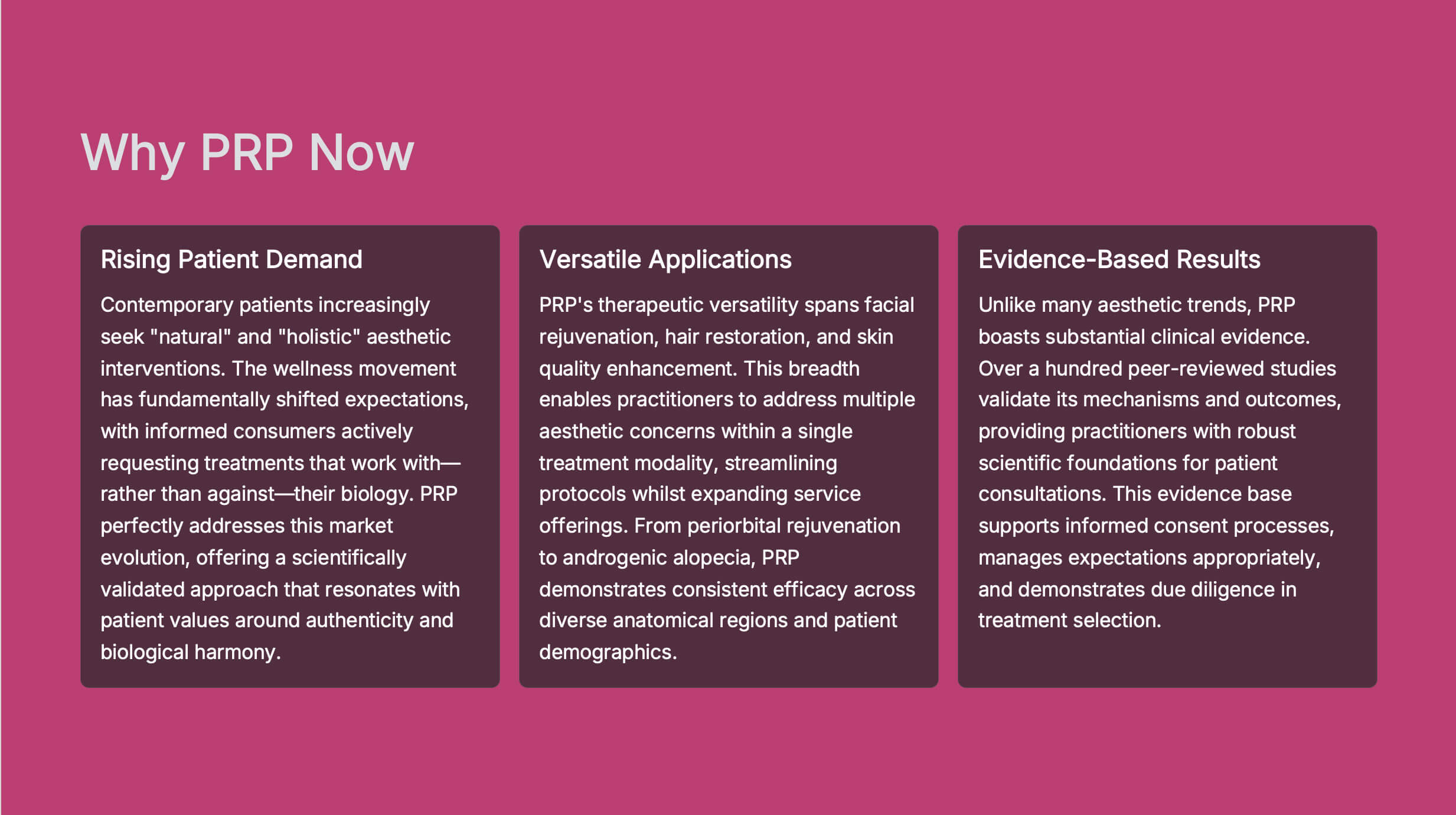
Patients who are hesitant about filler often accept PRP because it is derived from their own blood. This widens your addressable audience without increasing high-risk filler exposure.
However, this module reinforces a critical principle:
PRP is gradual.
It improves tissue quality over time. It stimulates regeneration rather than replacing structure. When positioned accurately, satisfaction is high. Whenoversold, dissatisfaction occurs.
You are trained to communicate timeline clearly.
What You Become After Completion
By completing this module, you become a clinician who:
- Understands regenerative biology, not just injection technique
- Differentiates PRP from mechanical correction therapies
- Screens contraindications thoroughly
- Structures multi-session protocols predictably
- Integrates PRP with hair restoration planning
- Positions regenerative medicine ethically
PRP should not be sold as a miracle.
It should be offered as a controlled biological enhancement strategy.
If you are considering adding regenerative medicine to your clinic, this programme represents a measured expansion.
- A structured pathway.
- A safe integration of autologous therapy.
- A logical investment in long-term patient retention, diversification, and clinical credibility.
What You Receive Inside the PRP Advanced Module
You receive inside the PRP Module is not simply instruction on drawing blood and reinjecting plasma — it is a structured regenerative medicine framework.
You gain comprehensive online theory covering:
The biology of Platelet-Rich Plasma
Including the healing cascade
Platelet activation
Growth factor release
Stem cell recruitment and tissue remodelling
The mechanism of action is explained clearly — from haemostasis through toproliferation and differentiation — so you understand why PRP works, not just how to prepare it. This includes differentiation between PRP and PRF, fibrin matrix behaviour, release kinetics and appropriate indication selection.
You are guided through:
- Clinical indications for facial rejuvenation and hair restoration
- Differentiation between androgenetic alopecia and other alopecia types
- Contraindications screening (low platelets, anticoagulation therapy, autoimmune disease, pregnancy, etc.)
- Autologous safety principles
- Centrifuge selection and preparation protocols
- Closed-system sterility standards
- Structured treatment spacing and maintenance cycles
The clinical component includes detailed demonstration videos showing the full process:
- Blood draw technique
- Centrifugation protocol
- Plasma separation
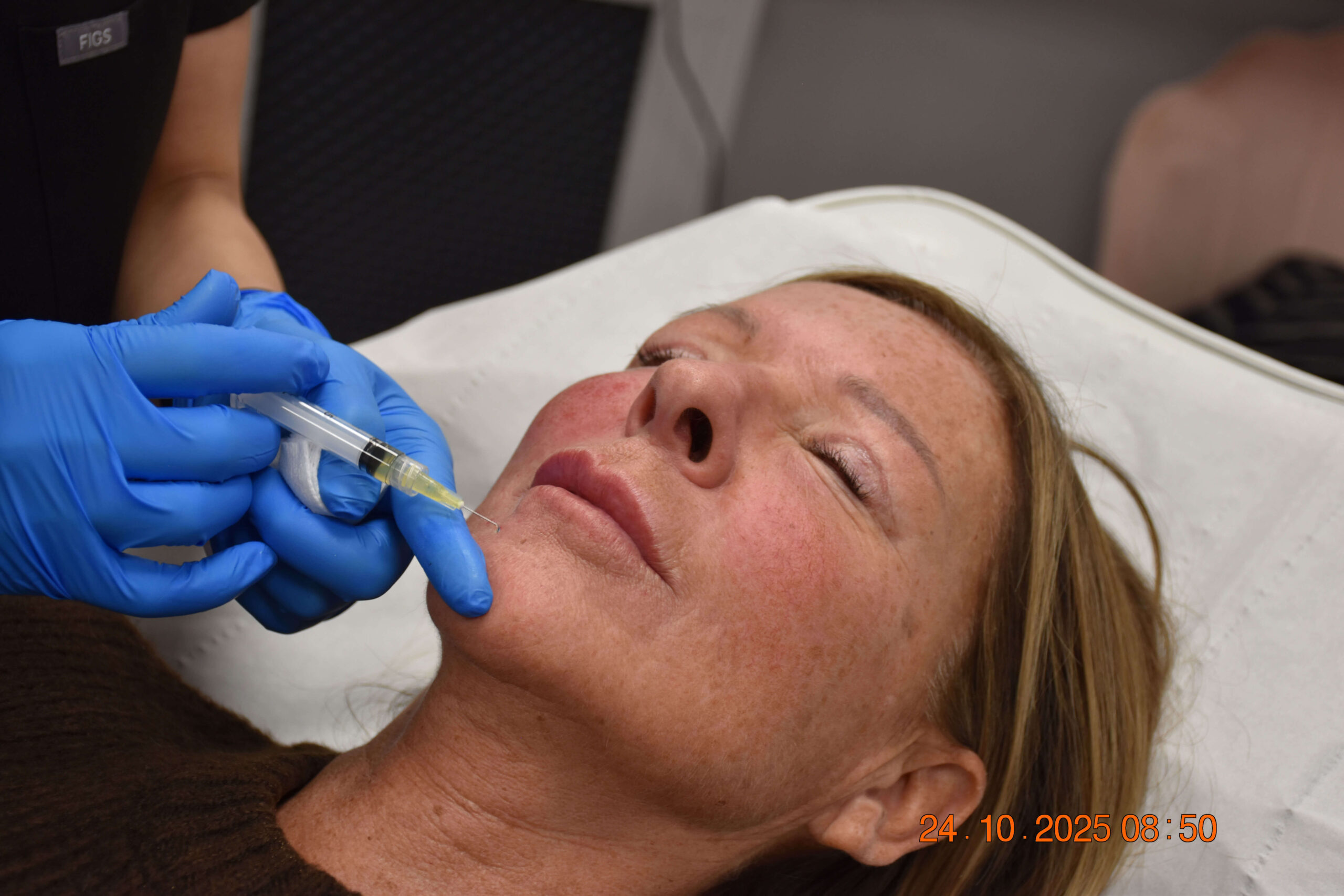
- Facial PRP injection mapping
- Hair restoration injection strategy
- Microneedling integration
- Course planning and review scheduling
- Structured consent templates
- Documentation frameworks
- Medical history screening protocols
- Aftercare guidance
- Measurement strategies for hair growth progression
- Maintenance and top-up planning systems
Integrate PRP Strategically Into Your Aesthetic Practice
In addition, you receive practical business integration resources to support safe expansion of services. This includes:
- Course-based pricing logic
- Treatment protocol scheduling templates
- Combination planning with microneedling and adjunct therapies
- Patient retention strategies built around staged regenerative cycles
- Compliant promotional examples
- Regulatory clarity regarding advertising POMs and medical treatments
You are shown how PRP integrates into an aesthetic practice not as a “trend,” but as a diversification strategy — widening your patient base to include those seeking natural, autologous treatments while creating predictable multi-session engagement.
In short, you receive:
- Structured online regenerative theory
- Full PowerPoint revision resources
- Contraindication and governance guidance
- Consent and documentation templates
- Course-planning and retention systems
- Regulatory compliance support
- Clinical demonstration videos for face and hair applications
This ensures you are equipped not only to deliver PRP safely and competently, but to integrate regenerative medicine into your clinic with structure, biological understanding, and long-term sustainability.
This is a £99 investment in long-term competence.